Blog / Spine & Chiropractic
Understanding Non-Surgical Spine Treatment
May 22, 2026
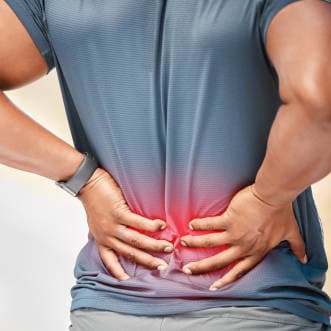
Spine pain can change your whole season. Instead of walking the pier, heading to the beach, or cheering at a ball game, you might be stuck on the sidelines thinking about your back or neck every time you move. Many adults around Ormond Beach know that feeling all too well.
More people are starting to ask a simple question: is surgery really the only way? For many spine problems, the answer is no. Non-surgical spine treatment is becoming a top choice for people who want to stay active, avoid long recoveries, and limit heavy medication when possible.
Why So Many People Are Avoiding Spine Surgery
Spine issues are very common here. Long commutes, desk work, and active weekends can all add up over time, leading to problems such as:
- Disc bulges and herniations
- Spinal stenosis, or narrowing around the nerves
- Sciatica and radiating leg pain
- Facet joint pain in the low back or neck
- Posture-related pain from phones, laptops, or driving
Surgery can sometimes be the right choice, especially in true emergencies, but it also comes with possible downsides worth thinking through carefully:
- Long recovery periods away from favorite activities
- Limits on bending, lifting, or twisting
- Post-surgical pain or stiffness
- Risk that symptoms don't fully improve
- A chance of needing more procedures later
There's growing support for trying conservative care first when there's no red-flag emergency, like loss of bowel or bladder control, severe trauma, or fast, progressive weakness. Addressing spine issues early, while you can still move, often gives more options to stabilize and support the body.
What Non-Surgical Spine Treatment Looks Like
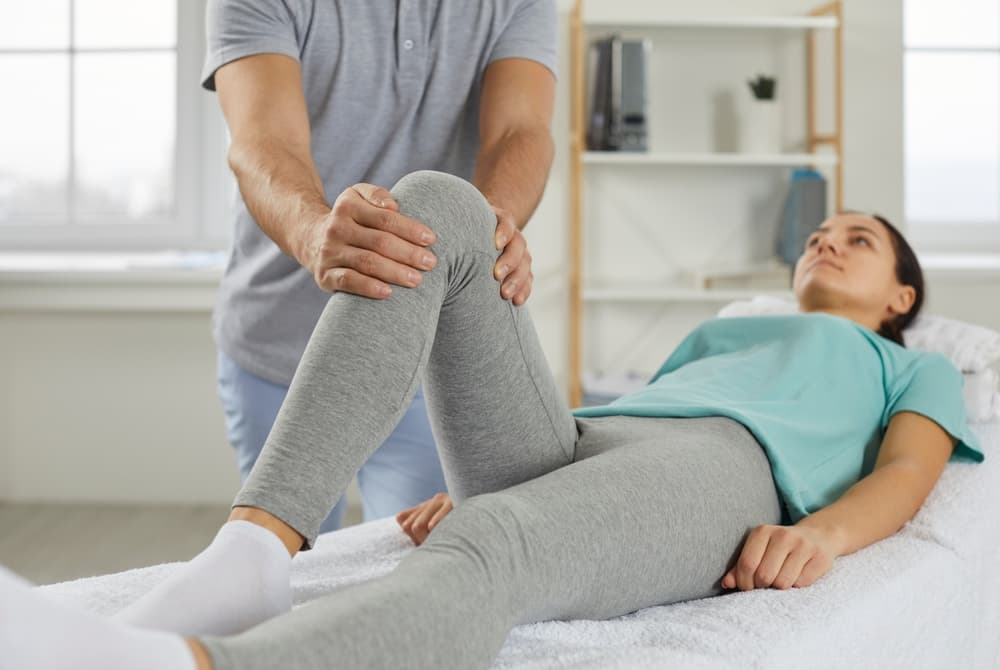
Non-surgical spine treatment isn't just one single therapy, it's a thoughtful mix of approaches that work together. Chiropractic and joint-focused methods may include:
- Gentle spinal adjustments tailored to comfort and safety
- Joint mobilization to improve motion without strong force
- Traction or decompression to ease pressure on discs and nerves
Neuromuscular rehabilitation focuses on how you move in real life, often including:
- Corrective exercises to retrain weak or tight areas
- Movement retraining so everyday motions feel safer and easier
- Core stabilization to support the spine
- Neuromuscular re-education so muscles and nerves "talk" better
Functional medicine looks inside the body for issues that may slow healing or increase pain, such as:
- Systemic inflammation
- Nutritional gaps that may affect tissues
- Metabolic problems that influence recovery
- Stress and sleep patterns that impact pain levels
How We Address Root Causes of Pain
When someone comes in with spine pain, we start by listening. A detailed history gives clues about what might be driving the problem, how it started, what makes it better or worse, and what you want to get back to doing.
Explore Your Options Before Considering Surgery
If you've been told surgery might be in your future, it's worth exploring non-surgical options first. Our Ormond Beach team can evaluate your spine and let you know whether a conservative plan makes sense for you.
Ready to take the next step?
Learn more about Spinal Decompression Therapy or request your appointment today.