Blog / Spine & Chiropractic
What to Expect From Non-Surgical Herniated Disc Treatment
June 5, 2026
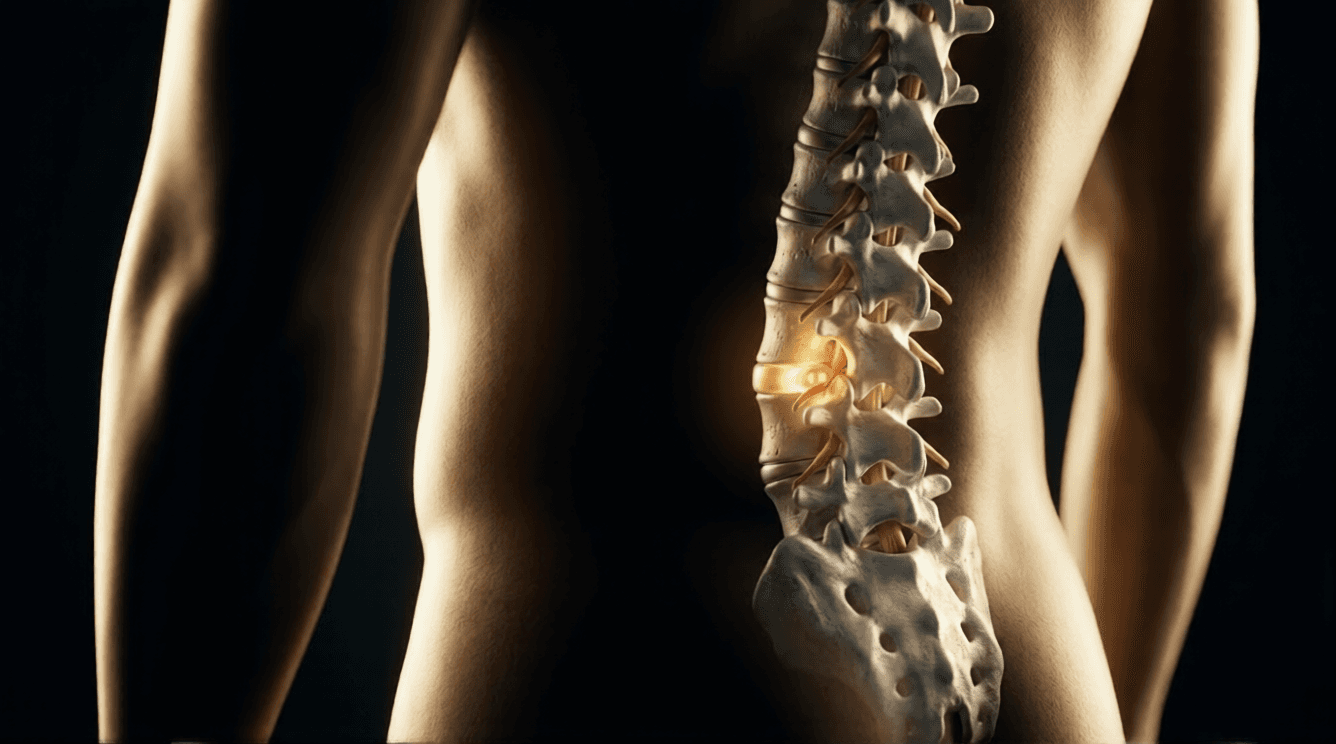
Herniated disc pain can take you out of the life you love fast. One day you're at the beach or playing pickleball, and the next your back or leg pain is so sharp you don't even want to bend to tie your shoes. For active people around Ormond Beach, that kind of pain can shut down work, family time, and weekend plans.
The good news is herniated disc treatment has changed a lot. Care is no longer only about bed rest, pain medication, and hoping things calm down, these days it can be targeted, active, and non-surgical, with a clear plan to help you move again.
Understanding Your Herniated Disc Diagnosis
A herniated disc happens when the soft inner part of a spinal disc pushes out through its outer layer, which can press on a nearby nerve and set off a mix of symptoms, such as:
- Sharp or burning pain in the back, neck, or along a leg or arm
- Numbness, tingling, or that "pins and needles" feeling
- Weakness in a leg, foot, arm, or hand
- Pain that gets worse with sitting, bending, or driving too long
Red flag signs that need prompt medical attention include loss of bowel or bladder control, sudden strong weakness, or pain with fever or major trauma. A real diagnosis is more than a quick glance and a prescription, a thorough evaluation usually includes detailed health and injury history, orthopedic and neurological testing, and a posture and movement assessment. Imaging can be helpful, but it isn't always needed on day one, since many people have disc changes on MRI with no pain at all.
A good provider looks past the disc itself, checking for contributing factors like tight hips or hamstrings, weak glutes or deep core muscles, stiff joints in the spine or pelvis, and long hours sitting, driving, or working in one posture.
What Non-Surgical Care Looks Like Day to Day
Non-surgical care isn't a one-and-done visit, it tends to follow a rhythm over several weeks. Early on, visits are more frequent, focused on calming pain and helping you move a little better. As symptoms ease, care shifts toward restoring strength and preventing a repeat episode. A typical session may include some mix of:
- Gentle, specific spinal and joint adjustments to improve motion
- Soft-tissue work to relax tight muscles and reduce guarding
- Spinal decompression or traction to reduce pressure on the disc and nerve
- Guided corrective exercises to start waking up the right muscles
Between visits, home care plays a big role too: short bouts of icing or heat used at the right times, simple mobility drills, ergonomic tweaks for your desk or car seat, and a plan for what to do if you have a small flare so you don't panic. Relief can show up quickly, sometimes within days to a few weeks for newer cases, while lasting change with better strength and control usually takes several weeks to a few months of consistent care.
How an Integrated Approach Transforms Disc Recovery
Our Ormond Beach team focuses on more than the disc itself, blending chiropractic care, neuromuscular rehabilitation, and functional medicine to address both the irritated tissue and the reasons it got overloaded in the first place.
Start With a Clear Evaluation
If you've been diagnosed with a herniated disc and aren't sure what comes next, a thorough evaluation is the best place to start. Our Ormond Beach team can walk you through what a non-surgical plan would look like for your specific case.
Ready to take the next step?
Learn more about Spinal Decompression Therapy or request your appointment today.