Blog / Recovery & Advanced Therapies
Why Low-Speed Crashes Call for Car Accident Treatment in South Daytona
December 3, 2026

A low-speed crash can still leave your body feeling far from normal. Even when the vehicles do not show much damage, the sudden stop can place force on your spine, nerves, muscles, and joints. Right after a collision, adrenaline may hide pain or stiffness. Symptoms can show up later that day or several days afterward, which is why we encourage you to pay attention to changes in how you move, sit, sleep, drive, or go about your normal routine.
Hidden Injuries Can Follow Minor South Daytona Collisions
A “minor” collision is not always minor for your body. When a car stops suddenly, your head, neck, shoulders, hips, knees, and back may move in ways they were not prepared for. Soft tissues can become strained, and joints may feel irritated or restricted even when you were traveling slowly. Vehicle damage does not always tell the whole story. Bumpers and other car parts are designed to absorb some force, but your body can still react to the impact. A low-speed rear-end crash, parking lot bump, or sudden stop at an intersection may leave you sore in places that did not hurt immediately. In the days after a crash, we often encourage people to watch for changes such as: • Neck stiffness or reduced ability to turn your head • Headaches or shoulder soreness • Back pain, hip discomfort, or knee pain • Tingling, numbness, or unusual sensations • Pain that worsens after sitting, standing, or driving Seeking car accident treatment in South Daytona soon after a collision can help you document symptoms and identify movement limits that may otherwise be easy to overlook. An evaluation gives us a clearer picture of what you are feeling and how the crash may have affected your mobility. From there, we can discuss care options based on your needs instead of assuming the discomfort will simply disappear.
Early Evaluation Can Help Prevent Lingering Pain
Waiting to see whether pain goes away on its own can be tempting, especially after a slow-speed accident. Still, discomfort may change the way you move without you realizing it. You might shift your weight to avoid knee pain, stiffen your shoulders while driving, or avoid turning your neck fully. Over time, those changes can make everyday activities feel harder. A thorough evaluation should look beyond one sore area. We consider the details of the accident, your current symptoms, posture, mobility, spinal alignment, and how your joints are moving. This broader view matters because pain in one location can sometimes affect how another part of your body works. Care should never be one-size-fits-all. Your history matters, too. If you already had back discomfort, neuropathy symptoms, knee concerns, or an older injury before the crash, we take those factors into account when discussing a plan. Our goal is to help you understand what is going on in your body and make informed decisions about your care. Early attention may be especially helpful if discomfort begins to interfere with daily routines, including: • Getting in and out of your vehicle • Sitting through work or school responsibilities • Carrying groceries or household items • Sleeping comfortably • Walking, exercising, or keeping up with family activities
Car Accident Treatment in South Daytona Can Be Non-Surgical
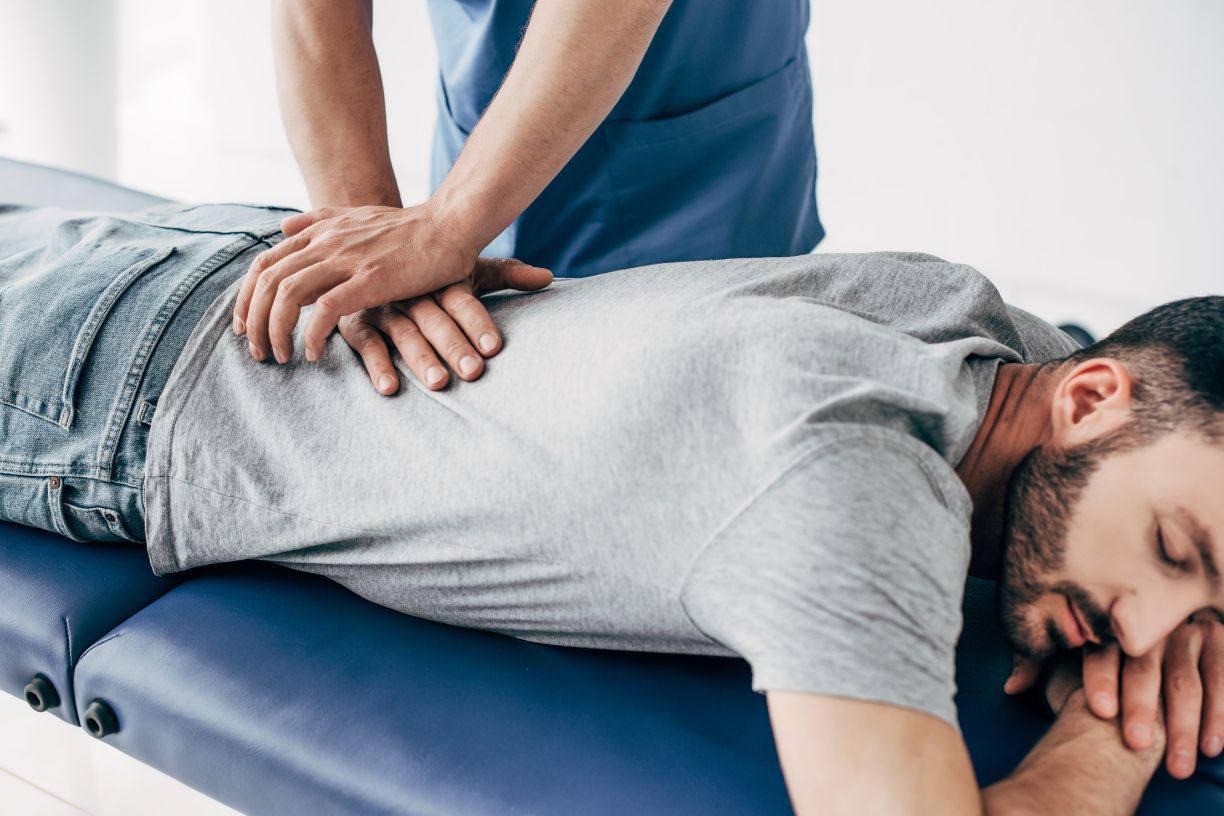
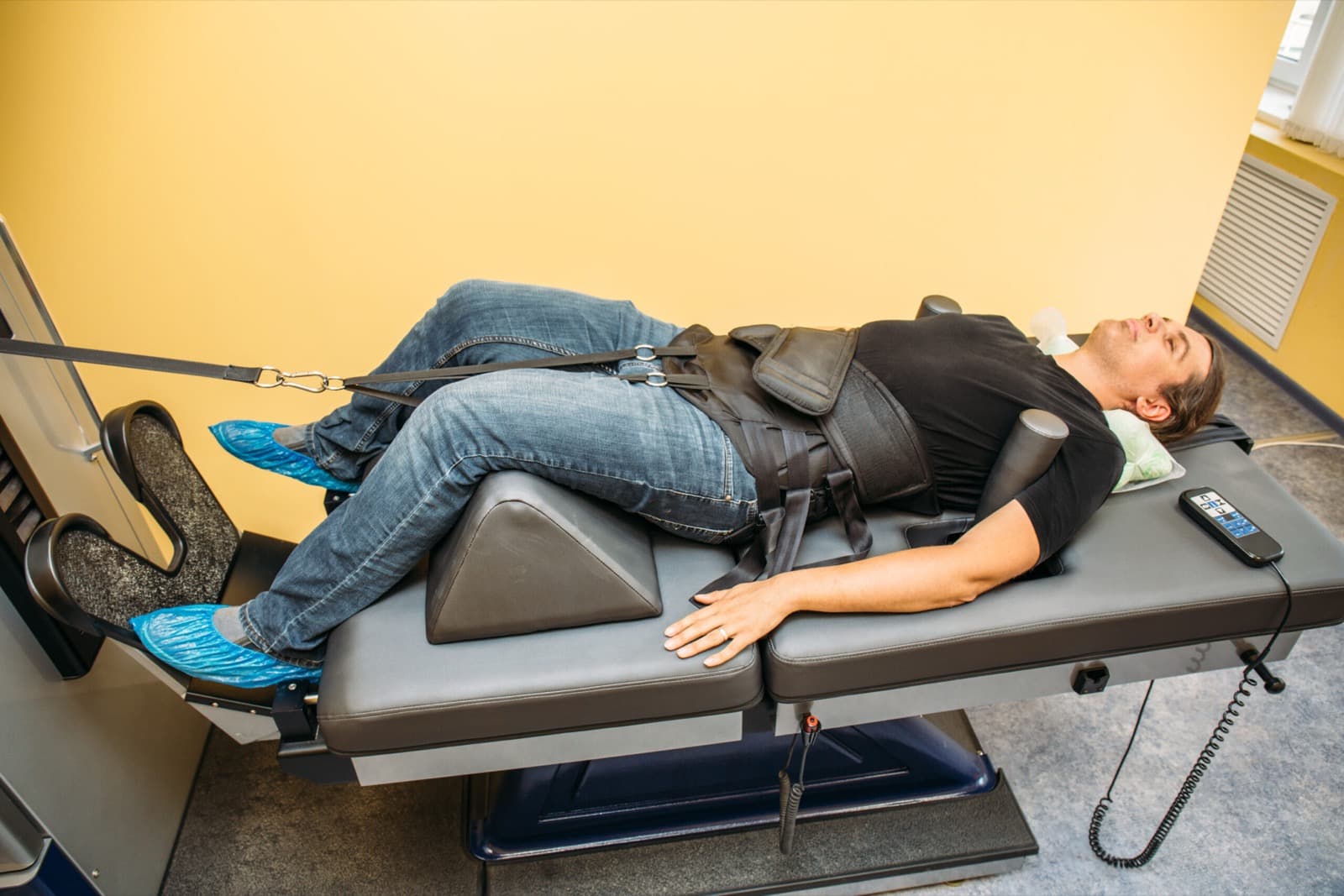
Accident-related discomfort does not automatically mean surgery or relying only on medication. At Ormond Spine & Nerve Center, we focus on non-surgical, drug-free care options for pain involving the spine, knees, joints, and nerves. After an evaluation, we can help determine which approaches may be appropriate for your situation. Depending on your needs, a personalized care plan may include chiropractic care, spinal decompression, knee decompression, laser therapy, shockwave therapy, or compression therapy. Not every service is right for every person, which is why we begin by learning about your symptoms, movement concerns, and accident history. The purpose of care is not to push you through a generic routine. We want to support more comfortable movement and help you work toward returning to the parts of life that matter to you. That may mean getting through a workday with less distraction, feeling more comfortable behind the wheel, resuming exercise, or keeping up with home and family responsibilities. Pain after a collision can feel frustrating because it often interrupts ordinary moments. A plan that is built around your body, your symptoms, and your goals can offer a more thoughtful path forward than simply trying to ignore the problem.
Holiday Traffic Can Increase Low-Speed Collision Risks
The holiday season brings more drivers onto South Daytona roads and into parking areas. Shopping trips, family gatherings, local events, visitors, early sunsets, rain, and distracted driving can all make traffic feel less predictable. Even in warm Florida weather, crowded roads and parking lots can create plenty of opportunities for low-speed fender benders. These crashes often happen in everyday situations. Stop-and-go traffic can lead to a rear-end bump. A driver backing out of a parking space may not see another vehicle. Intersections can become hectic when people are trying to get somewhere quickly. Because these incidents may seem small, it is easy to brush off discomfort afterward. Instead of judging the crash only by the speed of the vehicles or the appearance of the cars, pay attention to how you feel over the next several days. New stiffness, headaches, soreness, tingling, or limited movement deserve attention, especially if symptoms are getting worse rather than better. Timely car accident treatment in South Daytona can help you address concerns before discomfort becomes more disruptive to your schedule. Holiday plans are busy enough without pain making driving, shopping, work, or time with loved ones more difficult.
Take the Next Step Toward Comfortable Movement
After a low-speed crash, listen to what your body is telling you. Pain, stiffness, numbness, headaches, soreness, and mobility changes are worth taking seriously, even if they do not appear until after the accident. Professional guidance can help you better understand your symptoms and choose care that fits your needs. Paying attention early may help you avoid letting a manageable concern become something that interferes with your everyday movement and routines.
Find Care That Supports Your Recovery
At Ormond Spine and Nerve Center, we provide attentive evaluations and care plans tailored to your concerns after a collision. Learn more about car accident treatment in South Daytona and how we can support your comfort and mobility. When you are ready to discuss your needs, contact us to schedule an appointment.
Ready to take the next step?
Request your appointment today and let our Ormond Beach team build a plan for you.