Blog / Recovery & Advanced Therapies
Exploring Spinal Decompression in Deltona for Standing Back Pain
October 22, 2026
Stand Longer with Less Back Strain
Back pain that shows up while you are cooking, shopping, working, attending a community event, or waiting in line can be deeply frustrating. You may feel fairly comfortable when sitting, yet notice that your lower back starts aching, tightening, or burning once you have been on your feet for a while. For many Deltona residents, non-surgical, drug-free care may be worth discussing when standing affects daily movement. Spinal decompression is one option we may consider when symptoms could be connected to disc pressure, joint irritation, or nerve-related concerns. Because back pain can have many causes, we start with an individual evaluation, then look at why standing may trigger symptoms, whether decompression fits, and how to reduce strain during a busy fall season.
Why Standing Can Make Back Pain More Noticeable
Standing is not as passive as it seems. Your core, hips, legs, and back muscles must keep making small adjustments to hold you upright. When these muscles become tired, your posture can shift and place more stress on the lower back, spinal joints, and nearby soft tissues. We often see discomfort become more noticeable when someone stands with most of their weight on one leg, locks their knees, or leans forward over a counter. Long periods on hard floors, including time in a kitchen or at work, can bring an underlying movement problem to the surface. Spinal discs cushion the bones of the spine. Age-related changes, injuries, repeated strain, and some spinal conditions may affect how the back handles pressure. Irritation around spinal nerves can also be linked with symptoms that travel beyond the back, such as hip or leg pain, tingling, numbness, or weakness. Symptoms are personal, and it is not a good idea to self-diagnose the cause. During an assessment, we can consider whether discomfort may involve discs, joints, posture, muscle tension, nerve irritation, or another concern. Pay attention to patterns such as: • Where the pain begins and whether it moves into the hips or legs • How long you can stand before symptoms appear • Whether walking, bending, or resting changes the discomfort • Whether pain affects sleep, work, or regular activities Sudden severe pain, new weakness, loss of bladder or bowel control, fever, or unexplained weight loss needs prompt medical attention.
How Spinal Decompression in Deltona May Help
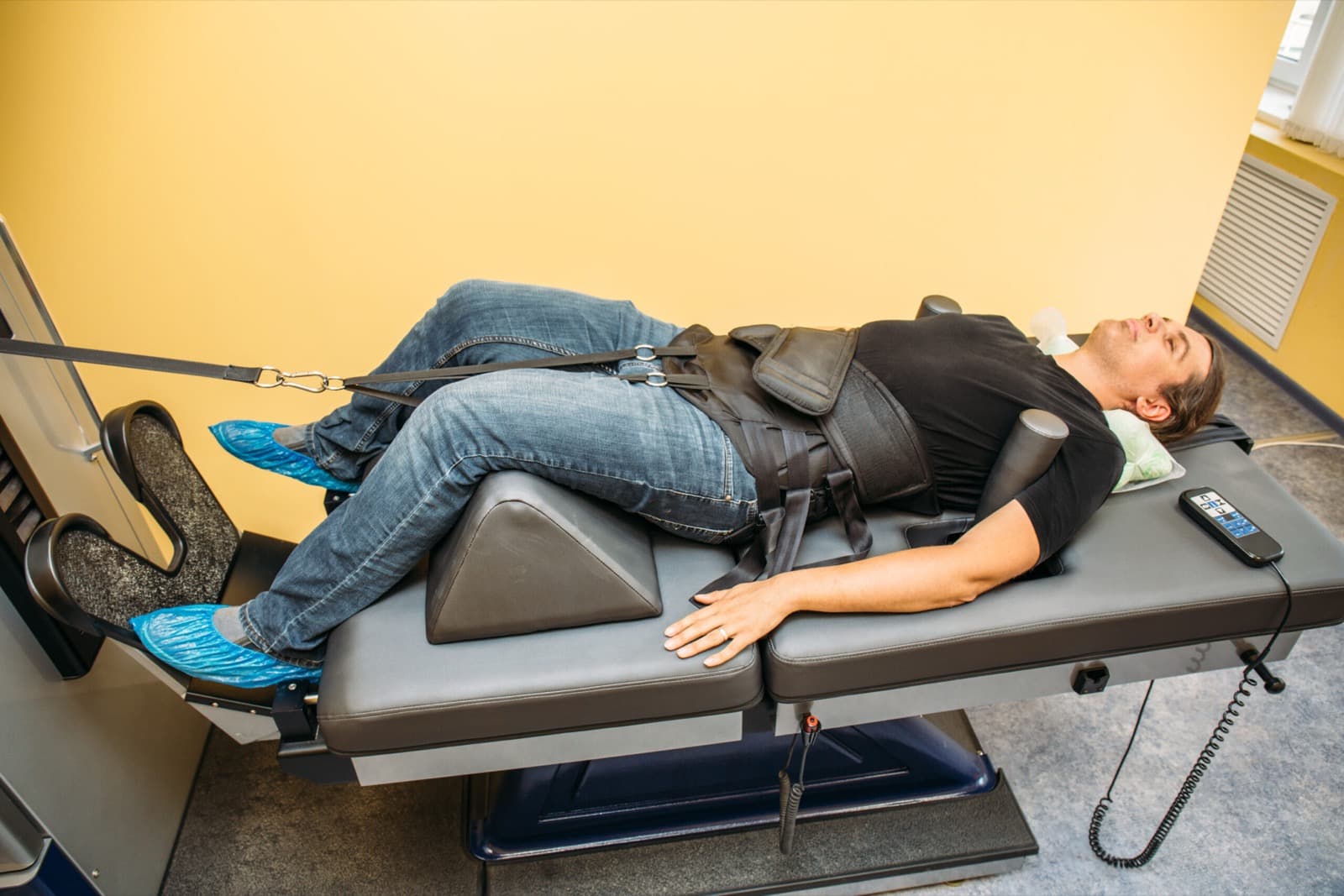
Spinal decompression is a non-surgical therapy that uses controlled, gentle traction on the spine. For appropriate patients, the goal is to change pressure within the spinal area and reduce stress on discs and surrounding structures. During care, you are positioned comfortably on a specialized treatment table while we use a traction protocol designed around your condition and comfort level. No two backs are alike, so we consider your symptoms, health history, daily activities, previous injuries, and response to care when creating a plan. Potential goals of spinal decompression in Deltona may include supporting spinal mobility, easing muscle guarding, reducing pressure tied to certain disc concerns, and helping you tolerate everyday movement with greater comfort. Results vary from person to person, and decompression is not a cure or a guaranteed answer for every kind of back pain. For some people, decompression may be part of a broader plan that includes chiropractic care, movement guidance, and attention to daily habits. We serve people from Deltona and nearby Central Florida communities who are seeking thoughtful, drug-free care for back and mobility concerns.
Knowing Whether Decompression Fits Your Care Plan
Not every case of standing-related back pain is a match for decompression. A careful consultation helps us determine whether symptoms may relate to disc pressure, degenerative changes, spinal joint stress, nerve irritation, muscular strain, or something that calls for a different path. Our evaluation may include a conversation about your current symptoms, medical history, old injuries, work demands, and activities that make pain better or worse. When imaging is available, it may also help provide a clearer picture. This process allows us to make recommendations based on you rather than using a one-size-fits-all plan. Some health concerns require added caution. Be sure to discuss conditions such as certain fractures, severe osteoporosis, spinal instability, cancer affecting the spine, active infection, or recent surgery. In these situations, decompression may not be appropriate, and another type of care or referral may be the safer choice. An honest evaluation still has value when decompression is not recommended. Understanding what may be behind your pain is a meaningful first step toward making informed decisions about your care.
Building Better Standing Habits This Fall
Small changes in how you stand can make a long afternoon more manageable. Rather than waiting for pain to become intense, we encourage you to change positions regularly during work shifts, home projects, errands, and holiday preparations. Consider these simple ways to reduce prolonged standing strain: • Take brief walking or position-change breaks throughout the day • Alternate one foot on a low step while standing at a counter • Choose supportive shoes for fall festivals, shopping, and outdoor events • Use a cushioned mat where you stand often at home • Avoid carrying a heavy bag on the same shoulder all day Balanced posture matters, too. Try to keep your weight spread through both feet, your knees relaxed, your shoulders down, and your head lined up over your torso. Leaning into one hip may feel comfortable for a moment, but doing it repeatedly can place uneven stress on the body. These habits can support professional care, but they do not replace an evaluation when pain keeps returning, worsens, or interferes with sleep and daily life.
Personalized Back Pain Assessment
Standing pain can slowly shrink your plans, from cooking a family meal to enjoying seasonal gatherings or getting through a workday. An individualized assessment can help identify possible contributors and clarify whether spinal decompression or another non-surgical option may fit your needs. The practical takeaway is simple: do not ignore pain just because you can rest it away for a while. Noticing your symptom patterns, changing positions before strain builds, and seeking professional guidance when discomfort persists can help you make more confident choices about comfortable movement.
Find a Path Toward More Comfortable Standing
At Ormond Spine and Nerve Center, we evaluate your concerns and discuss care options based on your individual needs. Learn whether spinal decompression in Deltona may be appropriate for your standing back pain. To discuss your symptoms and next steps with our team, contact us today.
Ready to take the next step?
Request your appointment today and let our Ormond Beach team build a plan for you.