
Blog / Knee & Joint
Why Shoulder Pain Keeps Coming Back After Rest and Therapy
May 15, 2026
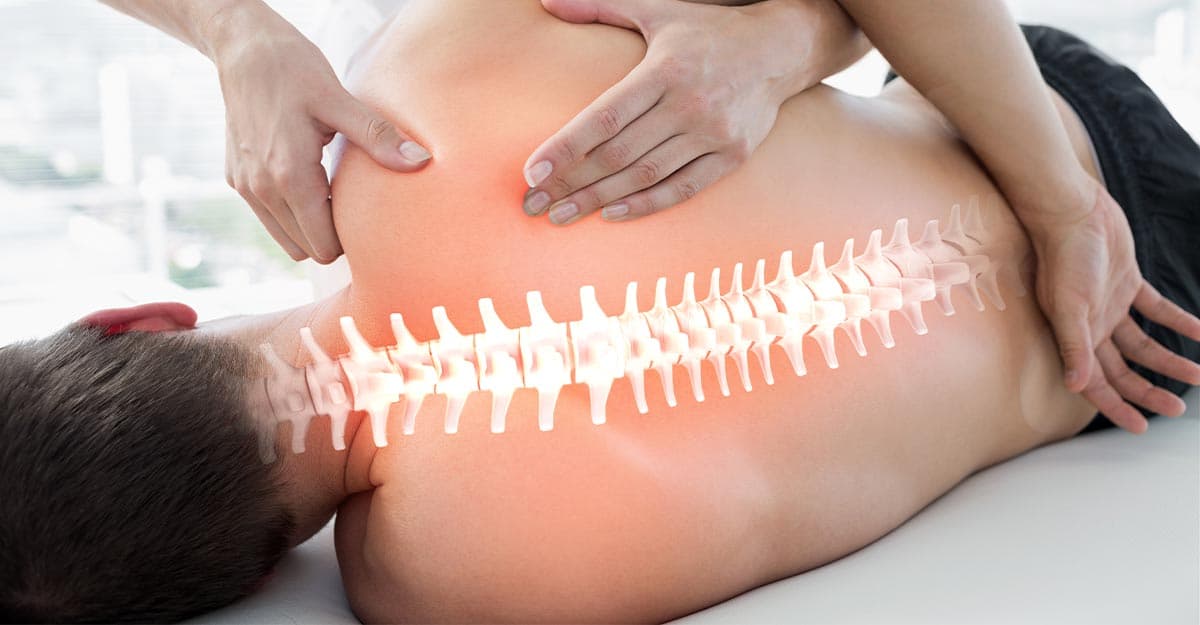
Shoulder pain that keeps returning after rest or a round of physical therapy can feel confusing and discouraging. Things calm down when you back off workouts or overhead activities, then as soon as you reach, lift, or get back to your routine, the ache or sharp pinch is right there again. Many people around Ormond Beach want to stay active, keep working, and care for family, and recurring shoulder pain can make all of that harder than it should be.
Why Shoulder Pain Often Returns After Short-Term Relief
When chronic shoulder pain calms down after rest, ice, heat, or basic therapy, it's easy to assume the problem is solved. Often, though, those strategies soothe symptoms in the short term instead of fully addressing the joint mechanics, muscle balance, and movement patterns still in the background. Everyday habits can quietly keep irritating the same tissues, even during or after care:
- Long hours at a computer with the head shifted forward and shoulders rounded
- Repetitive overhead reaching, lifting, or throwing for work or recreation
- Sleeping with the arm pinned overhead or tucked under the body
- Carrying bags or kids on the same side all the time
If rehab stops as soon as pain eases, the shoulder may not have regained full strength, flexibility, and control. Things can feel fine with light daily activities, then flare once intensity or load increases, a common pattern that doesn't automatically mean something is severely wrong structurally.
The Shoulder as Part of a Larger Movement System
The shoulder doesn't work in isolation, it's part of a chain that includes the neck, upper back, ribcage, and core. If any link in that chain is stiff, weak, or out of sync, the shoulder often ends up working overtime. Over time, many people develop altered movement patterns without realizing it, such as:
- Shrugging the shoulder toward the ear instead of using mid-back muscles
- Arching the low back when lifting the arm overhead
- Turning the whole trunk instead of rotating the shoulder smoothly
Even after pain fades, these patterns can linger, since the nervous system remembers protective habits that developed during earlier pain or injury. When neuromuscular control is off, certain muscles might work too hard while others stay quiet, setting the stage for future flare-ups.
How Stress, Sleep, and Whole-Body Health Influence Shoulder Pain
Recurring shoulder pain isn't just about joints and muscles, whole-body health plays a powerful role too. Ongoing stress can increase overall muscle tension, especially around the neck and shoulders, making minor irritations feel like major problems. Poor or inconsistent sleep can change how sensitive the nervous system feels, and low energy during the day can affect the way you move, since many people unconsciously slouch or compensate when tired.
What a More Comprehensive Shoulder Evaluation Can Explore
If chronic shoulder pain keeps coming back, a more thorough evaluation may be worth considering, starting with questions like:
- What sports, workouts, or hobbies do you enjoy, and how often?
- What are your work demands, including lifting, reaching, or computer use?
- Have you had previous injuries anywhere in your body, not just the shoulder?
- When, exactly, does the pain tend to show up or get worse?
From there, a detailed assessment might look at shoulder mobility, shoulder blade control, and how the neck and upper back move, since watching how you perform functional tasks like reaching overhead, pushing, or carrying often reveals more than testing a single joint in isolation.
Moving Forward When Your Shoulder Pain Keeps Coming Back
It can help to view persistent symptoms as useful feedback that more information is needed. It may help to jot down which activities or positions come before pain increases, how your sleep has been leading up to a flare, and any changes in stress or workload.
Break the Cycle of Recurring Shoulder Pain
Our Ormond Beach team can assess how your shoulder fits into your overall movement and build a more complete plan.
Ready to take the next step?
Learn more about Chiropractic Care or request your appointment today.